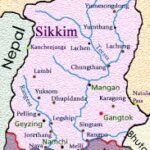
The magic of this ancient Himalayan kingdom begins with its borders: Nepal to the west and Bhutan to the east then Tibet to the north and West Bengal to the south, not far from the world capital of tea, Darjeeling…
Even though this territory is tiny in Indian scale, 7,096 sq km, it is the first 100% organic farming state in India and perhaps even in the world…
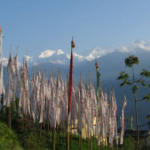
Sikkim is home to Kangchenjunga, its guardian deity, the third-highest peak on earth.

The visits to numerous Buddhist monasteries along the way provide a great opportunity for daily walks, offering magnificent views of the valleys as well as the local culture and Tibetan Buddhism.
Four (approximately 5-hour) hikes are planned, knowing that a car will follow us by road, so the choice of participating is up to each individual.
*This journey includes daily walking, which should be taken into consideration while registering.

Sikkim attracts many visitors… The state has seen significant development in the past 10 years, with the establishment of numerous homestays and guest houses in villages, allowing visitors to appreciate the hospitality of its residents and share the resources related to tourism.
Expect comfortable stay but no luxury in these areas.
The main meal in India is based on rice, vegetables and dal (lentil soup), a vegetarian platter with optional non veg such as chicken or mutton. Special diet such as gluten free is also on the menu.
This spring journey in Sikkim mainly takes place between 1,700 and 2,200 meters above sea level (relatively low for the Himalayas) over short to medium distances. However, due to winding roads, travel time between each site is multiplied.
The climate in the mid-altitude in spring is a mix of subtropical and temperate with clear, foggy, or cloudy skies with temperatures ranging from 15 to 25 degrees Celsius, ideal for numerous walks. The monsoon season occurs from June to the end of September. October and November are suitable for high-altitude trekking and provide a clear panorama of the mountains, although without the blooming flowers.
Delhi to Gangtok
Arrive in Delhi early in the morning.
Transit and then a 2 hours domestic flight to Bagdogra.
Pick up by your guide at Bagdogra airport and depart by road to Gangtok, the capital of Sikkim, 125 km – 4 hours.
Check-in at the hotel.
Dinner.
*Every foreign visitor must possess a Restricted Area Permit (RAP) to enter Sikkim, which can be obtained for free upon arrival at Bagdogra airport.
Perched on a hillside at an altitude of 1,700 meters, the capital of Sikkim is a network of steep streets and stairs. A friendly urban buzz and the only town stop on our journey.
Introduction to Buddhism with a visit to the Enchey Monastery perched high above Gangtok on the site of the hermitage of the great tantric saint Lama Drutob Karpo, renowned for his levitation powers… Some magic plus breathtaking views!
Visit the Namgyal Institute of Tibetology nestled in a forest of oaks, birches, and ashes.
Near the institute is a beautiful stupa, the Do Drul Chorten, built to ward off evil spirits, and another smaller one, the Jhang Chub Chorten, erected in memory of Thrulshig Rinpoche, the spiritual heir of great masters of the last century.
Near the Chortens, two giant statues of Lord Buddha and Guru Padmasambhava (Guru Rinpoche, the great Indian Buddhist master of the 8th century), the patron of Sikkim, watch over the valley.
Visit to the Government Institute of Cottage Industries (optional).
Stop at the Orchid Sanctuary, as spring is also the season of blooming orchids, with over 500 varieties found in Sikkim.
Day 4
Road to Pelling (125 km westward)
En route, visit Rumtek, the largest monastery in the Eastern Himalayas. The monastery is the seat of the Karmapa, an eminent Tibetan Lama, in exile in India.
Arrive in Pelling (2,150 meters) in the late afternoon.
Welcoming by the kind Sikkimese family of Deepak, a long-time friend.
Dinner with the family.
The town is a “tourist hotspot” as it offers a splendid panorama of Kangchenjunga.
The misty atmosphere of the region adds to the game of hide-and-seek to catch a glimpse of the third highest mountain in the world.
Visit the Pemayangtse Monastery, dating back to 1705, at sunrise to have a chance to see the Kangchenjunga in all its splendor.
Visit the Sangacholing Monastery (1714) at sunset, a slightly steeper walk through the cardamom fields. Dinner with the family.
Today road to Khecheopalri lake (31 km, 1.5hrs by road or 5.5hrs trekking* through trails)
The Lake of Wishes…
At an altitude of 1,830 meters, Khecheopalri is a sacred place of worship for both Buddhists and Hindus.
Part of the revered Demazong Valley (the valley of rice) and the Buddhist pilgrimage circuit passing through the monasteries of the region, the lake is seen as the abode of Tshomen Gyalmo, the main protective nymph of the blessed dharma by the goddess Tara.
The locals believe that the shape of the lake bear a resemblance to the footprint of the goddess Tara and that it fulfills wishes…
*A car with our driver will depart in the morning by road to the lake with our luggages. Transportation is available for those who do not wish to walk.
Warm welcome in the charming homestay of Deepen, one of Deepak’s brothers in Pelling.
Enjoy a tea (chai) or a Chaang, locally brewed homemade millet beer.
A day of relaxation but not only…
Meditation in the Dupukney cave (located 2 km from the lake), considered the ancient meditation spot of Lord Shiva for Hindus.
Family cooking class for dinner, where we’ll eat what we’ve prepared!
(28 km, 1.25 hrs by road or 4.5 hrs through trails)
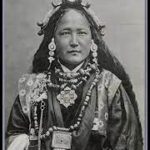
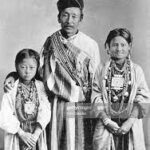
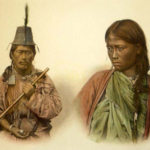
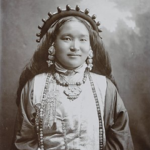
We continue following the ritual circuit of monasteries in western Sikkim since our arrival in Pelling, which traverses the region’s biodiversity and the rural life of the Sikkim communities: Lepchas (tribals), Bhutias (of Tibetan origin), and Nepalis (the largest in number).
Morning departure on foot to Yuksom (the car will follow with the luggage by road).
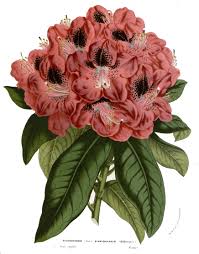
Located at 1,780 meters on the edge of the Kangchenjunga National Park, the largest protected area in Sikkim, Yuksom* is the starting point for high-altitude treks to Mount Kangchenjunga. The forest cover is rich with broad-leaved oak, birch, maple, chestnut, magnolia, rhododendron, silver fir, ash, and alder trees.
*Yuksom : This grand village is also remarkable for its history, architecture, and Buddhist heritage that evolved from the 17th century with the establishment of Yuksom as the first capital of Sikkim and the site of the coronation of the first Chogyal (king) in 1642. (After a referendum, the Kingdom of Sikkim became an Indian state in 1975).
Evidence of the enthronement ceremony can still be seen in the form of stone seats. The stone throne built for the grand event stands at Norbugang and has been classified as a World Heritage Site. Visit the site in the late afternoon. Guesthouse and family cuisine for dinner in Yuksom.
Located atop a hill about an hour’s walk (3 km) from Yuksom, Dubdi Monastery (1701), the oldest monastery in Sikkim, is also a stop on the Buddhist pilgrimage circuit.
Known as the “hermit’s cell,” the literal meaning of Dubdi is retreat. As for Yuksom, it means the “meeting place of the three learned monks” since three monks from Tibet chose this place and Phuntsog Namgyal as the first king of Sikkim.
Return. Lunch. Relaxation… In the late afternoon, take a stroll along the shores of the small Kathok Lake. Family dinner at the guest house in Yuksom.
(19 km) + Tashiding
The pilgrimage continues, but this time by car (otherwise, a 10-hour walk through the trails) to Tashiding, a small place whose name translates to “the central consecrated glory,” or simply known as the most “holy” place of Sikkim.
According to legend, when Guru Padmasambhava (the saint) was seeking a place for solitary meditation, he shot an arrow into the sky, and it landed at the site of the Tashiding Gompa (1717).
Accessible via a peaceful 2.5 km uphill track from Tashiding, the monastery offers a magnificent view of the region, with orange and cinnamon gardens on the horizon. Beyond the monastery buildings, there are several white chortens, including the Thongwa Rangdol, which is believed to absolve devotees of their sins simply by looking at it!
In the afternoon, drive back to Pelling located at the crossroads of our next destination to the southwest.> Pelling (40 km by road, 2.5 hrs)
Return to the guest house of our friend Deepak for the night.
Dinner.
Via Dentam (24 km, 50 minutes + 22 km, 45 minutes)
Depart in the morning by road to the agricultural region of Rinchenpong and the farm house of Yangsum.
Clusters of bamboo welcome visitors to this 44-acre mountain farm, which is home to a mixed forest of pine, Himalayan alder, chestnut, magnolia, rhododendron, cherry trees, as well as a variety of food and commercial crops such as cardamom, ginger, mangoes, peaches, tea, and seasonal vegetables.
The farm was built in 1833 and renovated in 1966. The current owner, Thendup Tashi, and his wife Pema also operate comfortable accommodations for visitors.
Lunch and rest in this unique world…
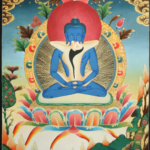
In the late afternoon, take a short visit to Rinchenpong and its focal point: the market and Rinchenpong Monastery (1730), a small marvel that houses ancient murals and a rare statue of Buddha Ati*(Adi-Buddha) in the Yab-Yum position. A symbol of tantric Buddhism.
* It is said that Buddha Ati, also known as the Primordial Buddha, is the true Buddha, symbolically represented as a naked blue Buddha meditating while embracing a woman…
Further up the hill is Ressum, a solitary temple, 200 years old, surrounded by ancient stones, forests, and legends. Enjoy a traditional dinner at the farm house.
Drive to Hilley, the only road-accessible entry point to the sanctuary (30 km, 1 h + return).
Walk 4 km from Sombaria to Barsey, the first camping site on the 4-day trek through the sanctuary, ranging from 2,200 m to 4,100 m in altitude.
Picnic at the site and walk back to Hilley.
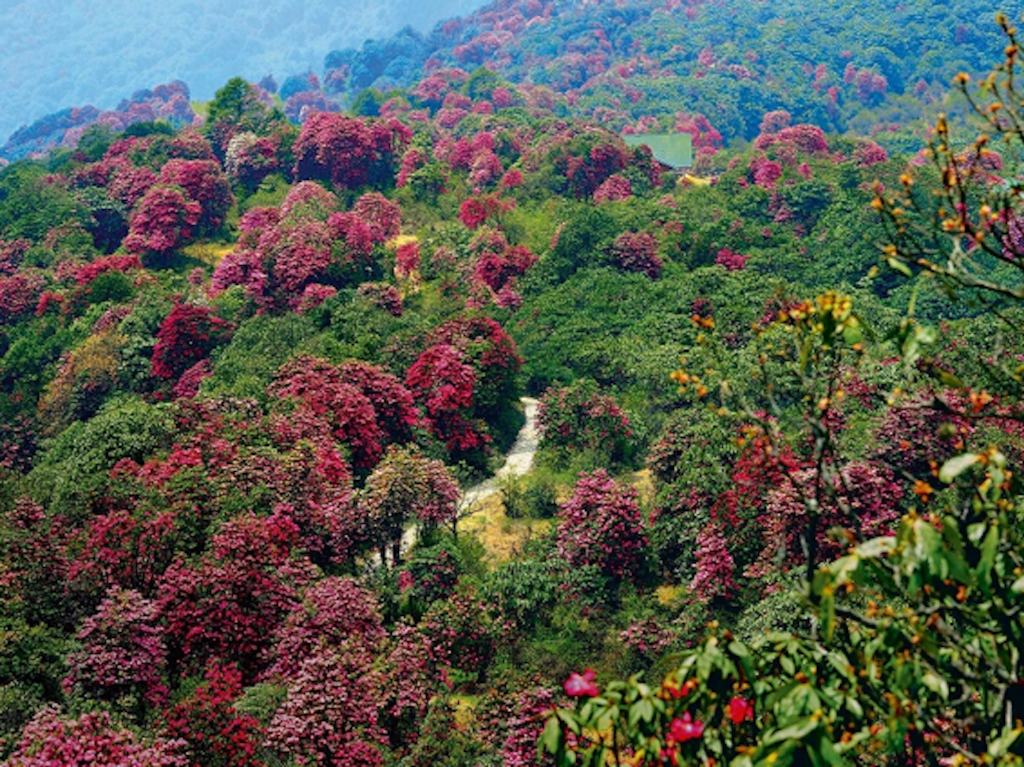
Spring in the eastern Himalayas not only brings about a spectacular explosion of flowers but also marks the peak activity of the region’s glorious songbirds as the temperatures thaw. With over 250 cm of precipitation at altitudes over 2,000 m, the cool and humid climate proves ideal for the flourishing of rhododendrons. By mid-May, the flowers will disappear, and the monsoon will take over.
Return to Rinchenpong. Rest. Dinner and rhododendron wine!
(66 km, 2.5 hrs by road via Patlebong to the south)
We leave behind the rice fields of southwestern Sikkim for the tea plantations of Darjeeling in the state of West Bengal.
One of the oldest tea planter bungalows will be the final stop of our journey.
Standing at an altitude of over 2,000 meters and nestled amidst 1,600 acres of tea plantations and forests, and Mount Kanchenjunga in the distance, Singtom tea estate is quite fabulous, both in terms of its geography and its “Indo-British” colonial charm. It belongs to the Chirimar family, who have inherited over 100 years of experience in the world of tea and love to share their knowledge and passion for this beverage.
*Option with Goomtee tea garden retreat and Tumsong Chiabari tea retreat. It will depend on the availability of rooms at the time of booking… As it is beautiful, it is in high demand…
Different activities are offered as options, including a tasting session of the finest Darjeeling teas as well as teas from all the tea-producing regions in India. The audience is invited to taste and differentiate 8 types of teas, each brewed in 2 distinct ways, providing a holistic experience of 16 teas! Afternoon at leisure and dinner.
(75 km, 2.45 hrs)
Late morning departure from the tea plantation to Bagdogra Airport.
Lunch en route, and fly (2 hrs) in the late afternoon to Delhi, transit, and overnight flight to your destination
Arrival to your international destination
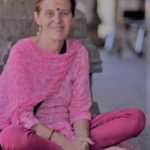
Your guide Lydia (residing in India)
Transfers and ground transportation in a private Innova vehicle with driver
Accommodation in resorts, guest houses, homestays in double rooms
Half-board meals > breakfast and dinner
Local guide for treks
All planned monastery visits in the itinerary
Solidarity tourism development fund for Shanti India School in India (30 €)
Katamkera travel agency assistance-repatriation insurance (Maif)
Sound healing & breathwork practice with Isabelle
International flights
Domestic flights Delhi – Bagdogra / Bagdogra – Delhi. €150 round trip
Cancellation insurance
E-visa for India
Tips
Camera fees at certain sites
Entrance fees to sanctuaries
Optional activities at the tea plantation in Darjeeling (factory visit, holistic tasting)